The blog
Stories, guides and curiosities about suiseki, sumi-e ink painting and Japanese culture, told from our workshop in Calabria, Italy.
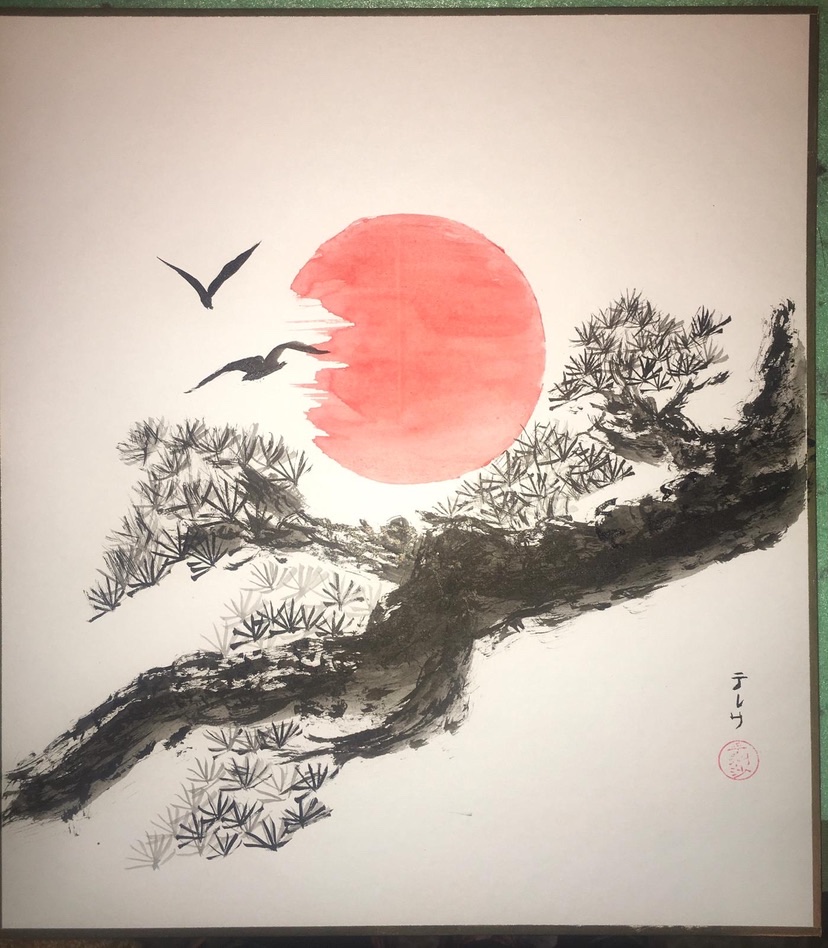
Welcome to Pietra e Inchiostro
A small workshop in Calabria: stones found on the seashore and paintings born from brush and ink. Here is who we are and what you will find here.
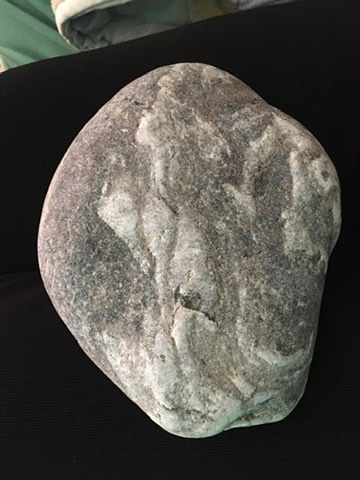
What is a suiseki: a guide to the Japanese art of viewing stones
A natural stone that holds a whole landscape. What a suiseki is, what the word means, how to recognise one and why it is displayed on a daiza.
The history of suiseki: from China to Japan, all the way to Italy
From the scholars' stones of China to Zen culture in Japan and the exhibitions of Italy: more than a thousand years of the art of stones.
Types of suiseki: how Japanese viewing stones are classified
Mountains, waterfalls, islands, huts, animals, patterned stones: how suiseki are classified, with their Japanese names and how to recognise them.
The daiza: the wooden stand that completes a suiseki
Without a daiza it is a stone; with its daiza it becomes a work of art. What the wooden stand of a suiseki is, how it is carved by hand and why it is unique.
How to choose and display a suiseki at home
Where to put it, what light to use, what to pair it with: simple tips for choosing a suiseki and displaying it at home, even without a tokonoma.
Suiseki in Italy: exhibitions, associations and where to see them
Where to see suiseki in person in Italy: the big bonsai and suiseki exhibitions, the associations, events in the South and how to get started.
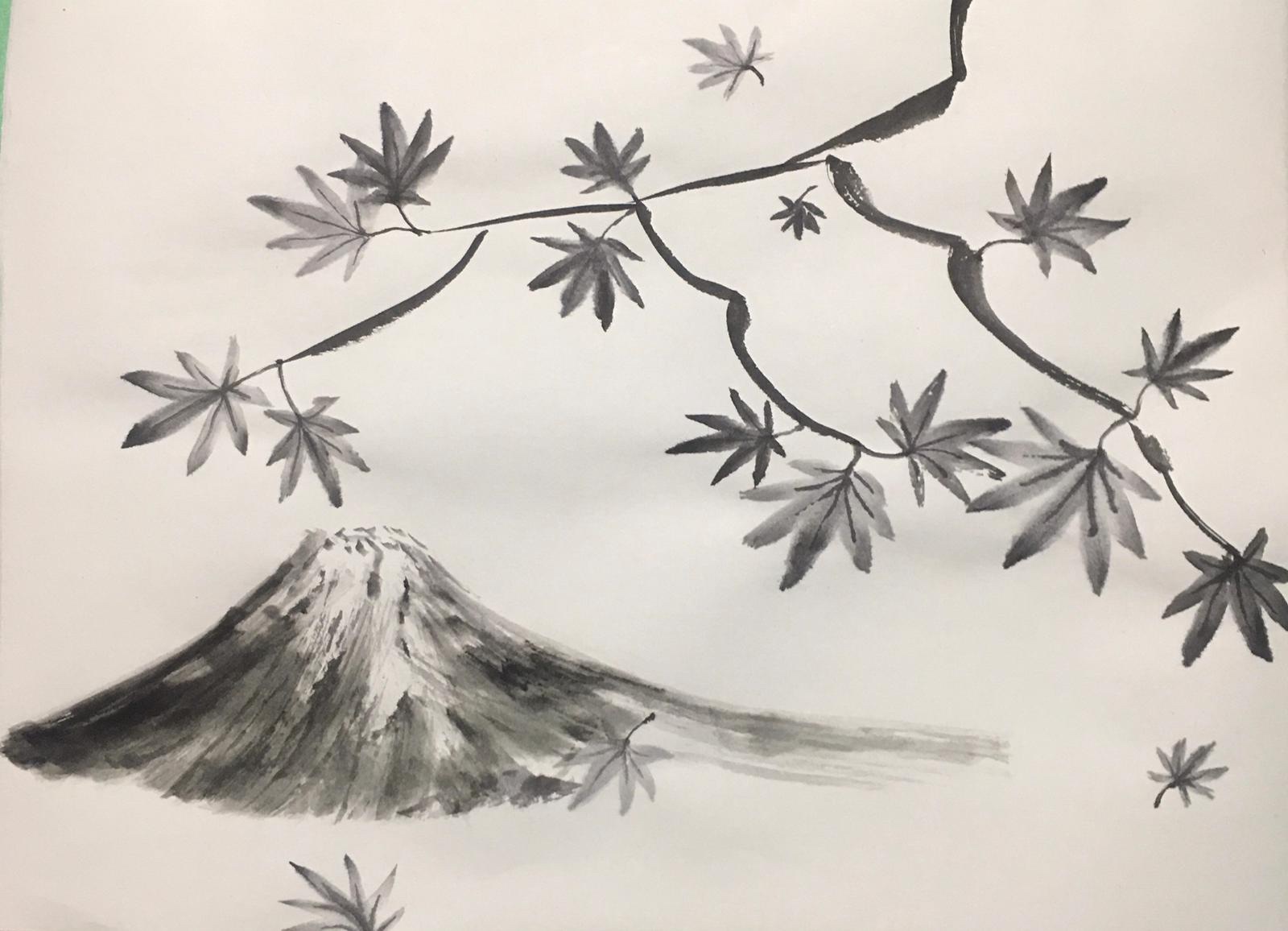
What is sumi-e: Japanese ink painting
Ink, water, brush and paper: what sumi-e is, which tools it uses, why it is linked to Zen and how to look at an ink painting.
The history of sumi-e: from Zen monks to Sesshū, and today
Born in China, brought to Japan by Zen monks and made immortal by Sesshū: the history of Japanese ink painting, in brief.
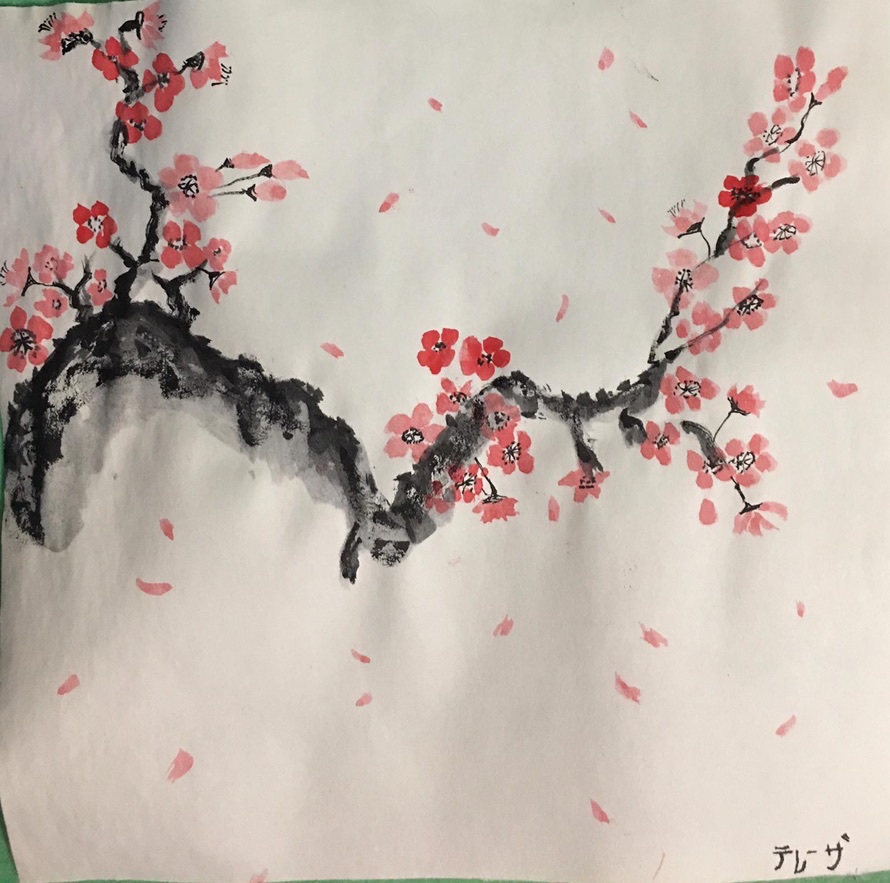
The four gentlemen of sumi-e: bamboo, orchid, plum and chrysanthemum
Bamboo, orchid, plum and chrysanthemum: the four classic subjects of sumi-e. What they mean, which season they belong to and how they are painted.
Shikishi: what it is and how to display it at home
The gold-edged Japanese board made for poems and small paintings: what a shikishi is and how to display it on a stand or in a frame.
Why suiseki and sumi-e captivate people all over the world
A stone and a little ink: why do suiseki and sumi-e win over enthusiasts all over the world? Wabi-sabi, slowness and one-of-a-kind pieces.
Gift ideas: original, handmade Japanese art
Looking for an original gift you won't find anywhere else? A handmade suiseki or sumi-e painting is unique, carries a good wish and lasts forever.
Tell me when new pieces arrive
One email only when there is a new piece. No advertising, unsubscribe anytime.